Ultimate Guide to Car Emergency Jump Starters
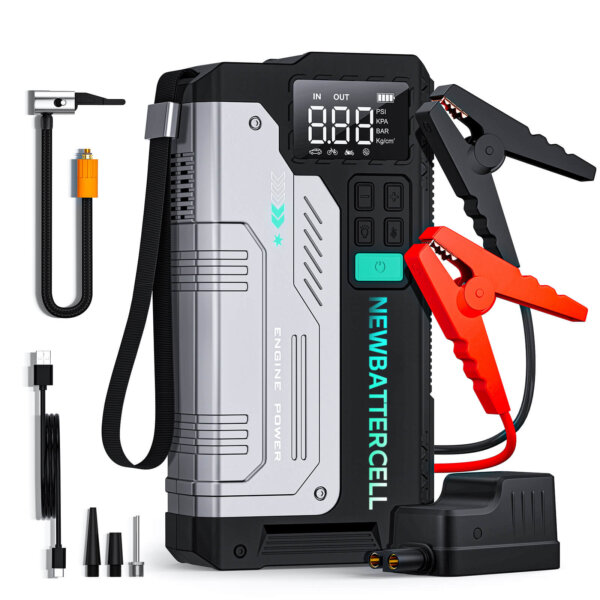
A dead car battery is a situation many drivers dread, but with a car emergency jump starter, you can resolve it quickly and effectively. Whether you forgot to turn off the headlights overnight or the battery suddenly fails, a reliable jump starter ensures you won’t be stranded on the road.
Of course, using a trickle charger is beneficial for long-term parking. However, a jump starter is the ultimate tool for emergencies. When you must drive but the battery is completely dead, a jump starter might just save the day. Still, choosing the right one isn’t easy. This article will walk you through everything about car jump starters and portable power banks.
Key Takeaways:
- A car emergency jump starter delivers an instant burst of current to a dead battery, enabling the engine to start.
- A mid-range jump starter rated 600–900 amps can quickly start nearly any vehicle.
- Different brands and models may have varying operation steps and precautions.
- Compared to battery chargers, portable jump starters are a short-term solution.
- Well-known brands typically offer more reliable and mature technology.
- When you need to power your car, consider a portable power source like the 12V Car Jump Starter 23000mAh Power Bank to charge essentials on the go.
What is the Working Principle of a Car Emergency Jump Starter?
A car emergency jump starter (also called a portable jump starter) is used to start a vehicle when its battery is dead. Some models include extra features like built-in flashlights, USB ports for charging, or even air compressors for tires.
Components of a Car Jump Starter
A typical jump starter includes:
- Battery: The energy source needed to start the car.
- Cables: Connect the jump starter to the vehicle’s battery.
- Clamps: Securely attach the cables to the battery terminals.
How Does It Work?
The jump starter supplies an instant high current to the dead battery, allowing the engine to crank.
Before use, ensure the jump starter is fully charged. Then connect the clamps to the correct battery terminals:
- Red clamp to the positive (+) terminal of the dead battery.
- Black clamp to a metal ground on the engine block (not the negative terminal, to avoid sparks).
Once securely connected, the jump starter delivers power to the battery, and the vehicle should start.
In short, keeping a jump starter in your car is incredibly convenient—you don’t need to wait for help. Just store it in your trunk and use it anytime your battery dies.
How Many Amps Are Needed to Start a Car?
Choosing the right amperage is critical for quickly and effectively starting a dead battery. The required amps depend on engine size, weather, and battery condition. Here’s how to calculate it:
Vehicle Engine Size and Type
Evaluate your vehicle’s engine displacement and type. Below are common jump starter ratings:
| Size | Amps | Applicable Range |
|---|---|---|
| Small Starter | 300–500A | Small cars and motorcycles |
| Mid-Range Starter | 600–900A | Mid-size vehicles (sedans, SUVs) |
| Large Starter | 1000A+ | Heavy-duty vehicles (trucks, RVs) |
A mid-range jump starter (600–900A) offers a balanced solution for nearly all vehicles. It’s versatile—ideal for families with multiple cars, from sedans to SUVs and crossovers—without needing bulky high-amp models.
Safety Margin
Always choose a jump starter slightly higher than your estimated need for a buffer in extreme conditions.
Check Your Owner’s Manual
Manufacturers often provide guidance based on your vehicle’s electrical system and engine specs. Refer to your manual for specific recommendations.
In summary, carefully consider your vehicle’s characteristics and environment. Whether you drive a compact car or a large truck, the right amperage ensures you’re prepared for any battery failure.
How to Use a Car Emergency Jump Starter?
If your car battery dies and no other vehicle is around to help, a jump starter is your solution. Follow this step-by-step guide to safely restart your car:
Step 1: Preparation
Most portable jump starters come partially charged, but fully charge it before use. Also, turn off the car engine before connecting—this prevents voltage surges or accidents.
Step 2: Connect the Jump Starter
- Open the hood and locate the battery.
- Attach the red clamp to the positive (+) terminal of the dead battery.
- Attach the black clamp to the negative (-) terminal or a grounded metal surface on the engine.
- Ensure clamps are secure and not touching any metal parts to avoid short circuits.
- If connected incorrectly, an indicator light or beep will usually alert you.
Step 3: Power On the Jump Starter
After clamping, turn on the jump starter. Do not start the car yet—give it a moment to transfer power to the battery.
Step 4: Start the Vehicle
Wait a few minutes, then try starting the engine. If it doesn’t start immediately, wait a bit longer and retry. Avoid repeated attempts to prevent damage.
Step 5: Remove the Clamps
Once the car starts, turn off the jump starter. Remove clamps in reverse order:
- Black clamp first
- Red clamp second
Sparks during removal can damage onboard electronics. After use, recharge the jump starter immediately and store it safely in your car.
Battery Charger VS Portable Car Emergency Jump Starter
While both help when a vehicle won’t start, they differ significantly in function, use case, and convenience.
| Feature | Portable Jump Starter | Battery Charger |
|---|---|---|
| Main Function | Instantly starts the vehicle | Gradually recharges the battery |
| Starting Ability | Yes | No |
| Battery Charging | No | Yes |
| Charging Time | Immediate | 24–48 hours |
| Power Source Needed | No | Yes (AC outlet) |
| Portability | High (light, wireless) | Limited (heavy, needs outlet) |
| Multi-function | Yes (USB, flashlight, etc.) | No |
| Output | Built-in battery | External AC power |
| Best For | Emergencies | Routine battery maintenance |
Functions
Portable jump starters not only start vehicles but often include extras like air compressors, LED lights, and USB ports—a “mini backup power station.” Battery chargers focus solely on recharging a drained battery via AC power, ideal for low-charge or long-unused batteries.
Use Cases
- Jump Starter: Emergencies in remote areas or at night—no external power needed.
- Charger: Fixed locations like garages or repair shops when you have time to wait.
Portability
Jump starters are compact and lightweight, easily stored in your car. Chargers are bulky and inconvenient for on-the-go use.
Summary:
A portable jump starter is a short-term fix for instant power. A battery charger slowly restores charge over time. Choose based on your actual needs and driving habits.
Factors to Consider When Choosing a Car Emergency Jump Starter
With so many options, it’s easy to feel overwhelmed. Here are the key factors to ensure you pick the right one:
Battery Capacity
Larger capacity = more jump starts and device charging. Choose one with enough mAh to handle multiple starts for your vehicle.
Portability and Size
Size matters, especially with limited car storage. Options range from pocket-sized to rugged heavy-duty models. Pick a compact, lightweight one for easy storage.
Safety Features
Look for:
- Overcurrent protection
- Short-circuit protection
- Overcharge protection
- Reverse polarity protection These prevent damage to your battery and ensure safe operation.
Additional Features
Beyond starting, many include:
- USB ports
- LED lights
- Tire inflators If you drive at night or go off-road, models with LEDs and USB are especially handy.
Is a Car Emergency Jump Starter Worth Buying?
While it offers convenience and safety, it has drawbacks. Still, for many drivers, it’s a smart investment.
Advantages of a Jump Starter Power Bank
- Fast vehicle start
- Multi-function (e.g., LED lighting)
- Easy to use
- Saves time and money
- High safety (overcharge, over-discharge, short-circuit protection)
- Wide temperature range
Disadvantages
- Higher cost
- Requires regular maintenance
- Long recharge time
- Capacity limits
- Risk of damage if misused
Verdict: Highly practical for older vehicles or remote travel. It boosts safety and convenience in critical moments. New car owners may need it less, but it’s still a valuable backup. Choose wisely based on your needs and budget.
Frequently Asked Questions About Car Emergency Jump Starters
Here are common questions about UK-market jump starters:
1. Why do I need a car emergency jump starter? It delivers controlled instant current directly to the battery—safer and more convenient than traditional methods. It helps you start your car quickly when the battery dies.
2. Does a jump starter need regular maintenance? Follow these tips to keep it ready:
- Store in a dry place, away from heat (e.g., direct sunlight).
- Check charge monthly; recharge if low.
- For long-term storage, inspect every 6 months for cable damage.
- Keep in its original case or protective box.
3. What if the jump starter doesn’t work? Troubleshoot:
- Confirm it’s fully charged.
- Check clamps are securely connected to terminals.
A car emergency jump starter is a must-have for most drivers. It provides the power needed to start your vehicle and prevents stranding—especially on outdoor adventures. With the knowledge in this guide, you can use it safely and effectively to get back on the road fast.